
Gemini_Generated_Image_cajz8cajz8cajz8c

The AI/ML Frontier: Embracing Agentic Systems and Optimization

Artificial Intelligence and Machine Learning have rapidly transitioned from experimental pilot projects into foundational core utilities. We are no longer just asking if AI should be used, but how it can be scaled autonomously and safely.

Here are the defining shifts shaping the current AI/ML engineering landscape:

  • The Rise of Agentic AI: We are moving past AI that merely makes predictions. The industry is now characterized by Agentic AI—systems designed for autonomous operation that can take direct action to solve problems.
  • Role Specialization: The engineering workforce has matured. AI engineering and ML engineering have officially evolved into distinct, specialized disciplines. While ML engineers focus on deep research and custom model development, AI engineers specialize in productization and the integration of existing models.
  • Inference Optimization: Building and training models is only half the battle. The industry has seen a massive shift toward optimizing inference, streamlining how models actually run and process data in real-time to manage computing demands.
  • Continuous MLOps and Governance: Modern AI treats models as living software. Ethical engineering, strict governance, and continuous observability are now baked directly into the MLOps lifecycle to ensure regulatory compliance and real-time monitoring.


Gemini_Generated_Image_kae9a6kae9a6kae9 (1)

The Road to Eye-Catching UX/UI: Where Aesthetics Meet Architecture

Creating an interface that instantly captures attention isn’t about slapping on the brightest colors or the trendiest gradients. A truly eye-catching User Experience (UX) and User Interface (UI) is born from a meticulous blend of visual psychology, structured design systems, and seamless implementation

Here are the core milestones on the roadmap to designing unforgettable digital experiences that look beautiful and function flawlessly:

  • Intentional Visual Hierarchy: The most striking interfaces guide the user’s eye effortlessly. By using contrasting typography, strategic whitespace, and scale, designers can dictate exactly where a user should look first, second, and third, eliminating visual clutter and confusion.
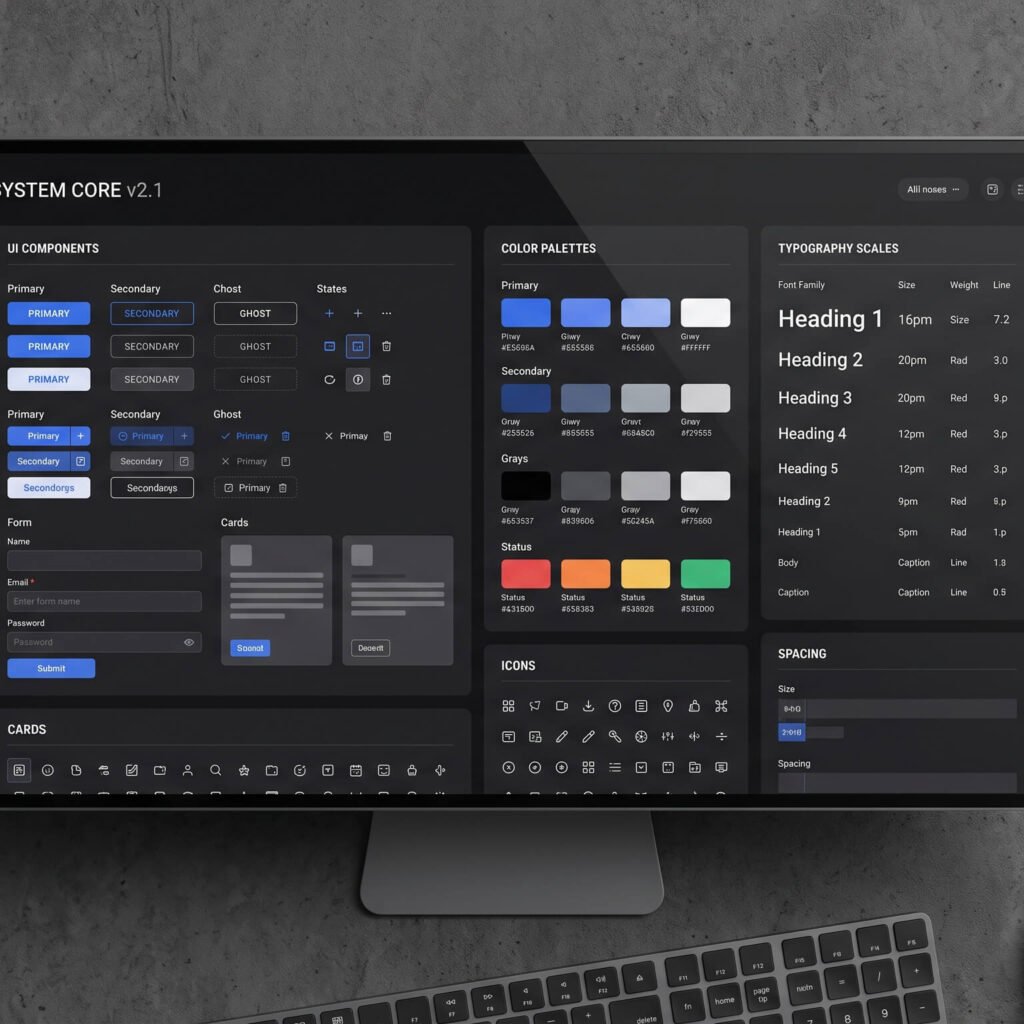
  • Component-Driven Consistency: Eye-catching UI relies heavily on strict, scalable design systems. Building modular, reusable design components ensures absolute visual consistency across every page. This approach is especially powerful during the developer handoff, as these UI libraries translate flawlessly into modern, component-based web frameworks like React, keeping the final coded product pixel-perfect.
  • Purposeful Micro-Interactions: Static pages are forgettable. Adding subtle hover states, smooth loading transitions, and satisfying click animations breathes life into an interface. These micro-interactions provide tactile feedback that makes the digital environment feel physical, responsive, and premium.
  • Rapid, AI-Assisted Iteration: The bridge between a beautiful mockup and a live website is shorter than ever. Modern creators are utilizing AI coding assistants like GitHub Copilot to rapidly generate layout structures and logic. This allows developers to quickly build high-fidelity interface clones or original custom projects, spending less time on boilerplate syntax and more time perfecting the visual experience.